João Rodrigues Ferro, a Castilian born in Los Felices, came to Portugal between 1478 and 1492. He was Jewish, and the Spanish monarch was expelling Jews from Spain. Ferro, who was named for his business in iron, came to Trancoso where there was an established Jewish community.
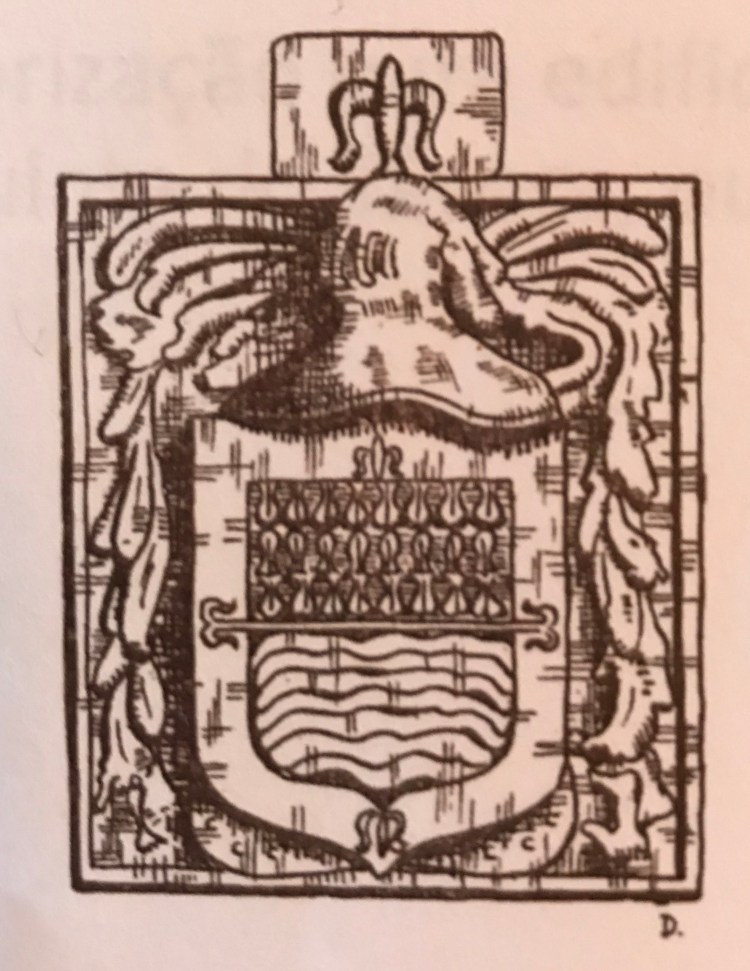
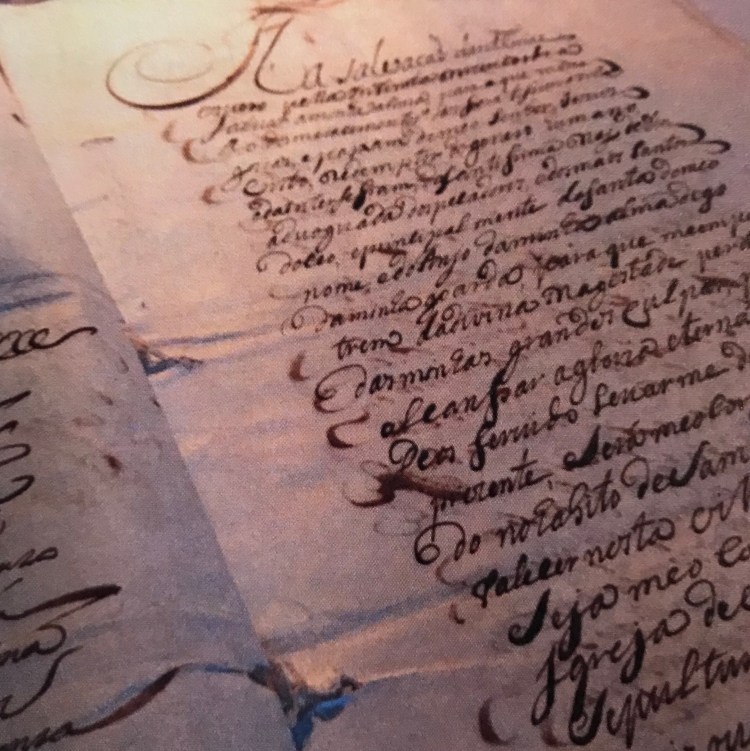
In the 1490s, the king of Portugal, D. Joao II, needed money for his war in North Africa, so he continued to allow Jews to settle in Portugal if they would pay him large sums. Plus, the king set out some bureaucratic hoops (this being Portugal) that Jews like Senhor Ferro had to clear in order for their blood to be declared “cleansed.” In other words, Ferro and others were invited/pressured into converting to Catholicism, in exchange for Portuguese residency and social privileges. (SEF doesn’t seem so bad now in comparison, right?)
But João R. Ferro was lucky: his conversion to Catholicism and payment also resulted in his appointment as a squire, and may have been what allowed him to become the first recorded lessee of land to the northwest of Trancoso, the Quinta da Riberia do Távora (“the farm on the banks of the Távora River”).
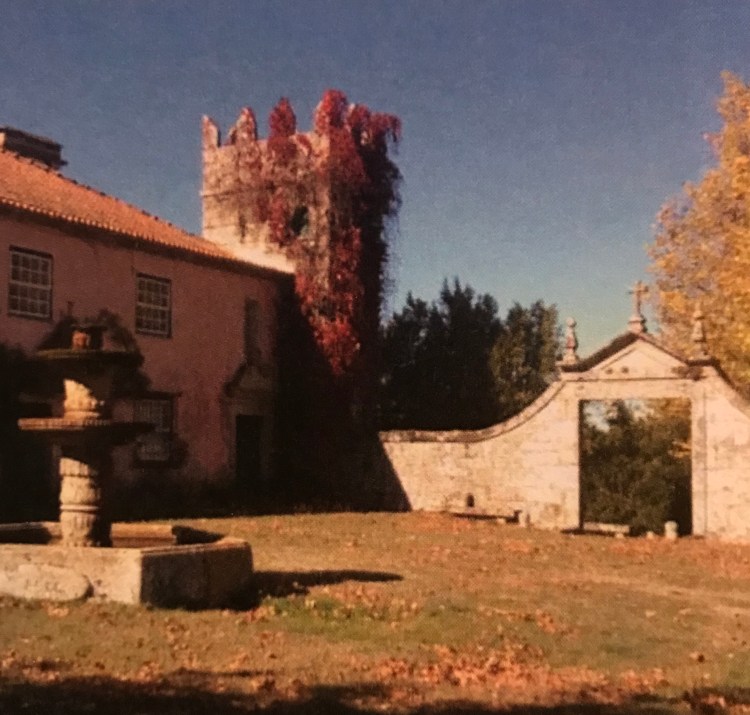
In 1537, construction started on the manor house at the quinta. Sadly, his luck was short-lived: suspected of continuing to practice Judaism in secret, Ferro was arrested by the Inquisition and died before he could be tried.
A century later, in 1664, the Inquisition came again for the Ferros. His nephew Manuel Pinheiro Ferro was accused of being Jewish, arrested, and tried by the Catholic Church. He was sentenced to life in prison and his belongings —including Quinta do Ferro—were confiscated. Its ownership was disputed in court until January 10, 1666 when it was awarded to the Chapel of the Convent of St Anthony of Ferreirim.
The next recorded administrator of the Quinta was Sebastião Saraiva de Sampaio (1681-1729). The Quinta passed through nine generations of administrators until its current stewards today. For centuries, it was an economic hub in the region, where dozens of families worked and lived. In the 1880s, an impressive defensive tower was added to the main house, complete with parapets on top and a dungeon; you’ll find out why on the house tour!
Prehistoric Times
If 600 years back isn’t long enough, there are markers of prehistory nearby:
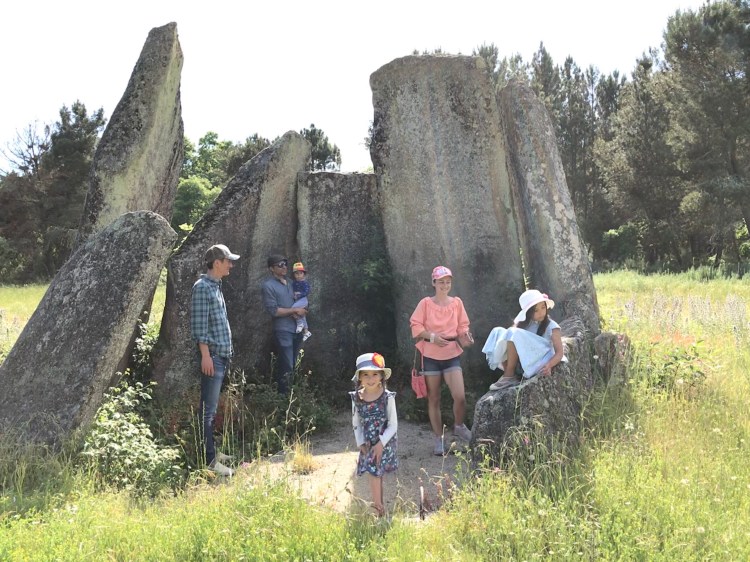
Ten minutes drive from the Quinta, you’ll find the second tallest dolmen in Portugal, standing upright in the Earth.
Known locally as the “Casa de Moura,” humans erected the massive stones at the end of the Neolithic Period, between 5000 and 9000 years ago.
 QuintaDoFerro